
There’s widespread disagreement on the Google “Sandbox” effect. Google HQ effectively says “nah, it’s not an actual thing” at all. Other SEO experts suggest that if it’s not an actual “process” then it could well be a real “effect” of some components of the many algorithms baked into rankings. My real-world experience of building new websites and optimising others’ websites over 2+ decades shows anomalies in how search engines evaluate new websites.
Gemini AI says: AI Overview
The Google Sandbox effect was first reported and became a well-known topic in SEO forums around 2004. Key details regarding the initial report:
- The Phenomenon: SEO professionals and webmasters observed that new websites, despite having high-quality content and good backlinks, struggled to rank in Google for competitive keywords, sometimes for months.
- The Contrast: This effect was unique to Google; the same websites often ranked well on other search engines, such as Yahoo and Bing, during that period.
- The Cause: It was widely hypothesized to be an algorithmic, probationary filter designed to limit the visibility of new, potentially spammy websites, which became highly noticeable around March 2004.
- Name Origin: The term “Sandbox” was coined to describe this holding period, drawing an analogy to a safe, isolated area for testing new, unverified websites.
While Google has never officially confirmed the existence of a “Sandbox” filter, it has been widely accepted in the SEO industry as a common experience for new domains since 2004.
The CustomDiningTables.nz website was launched in March 2024 to provide a retail option for handmade, bespoke dining tables.
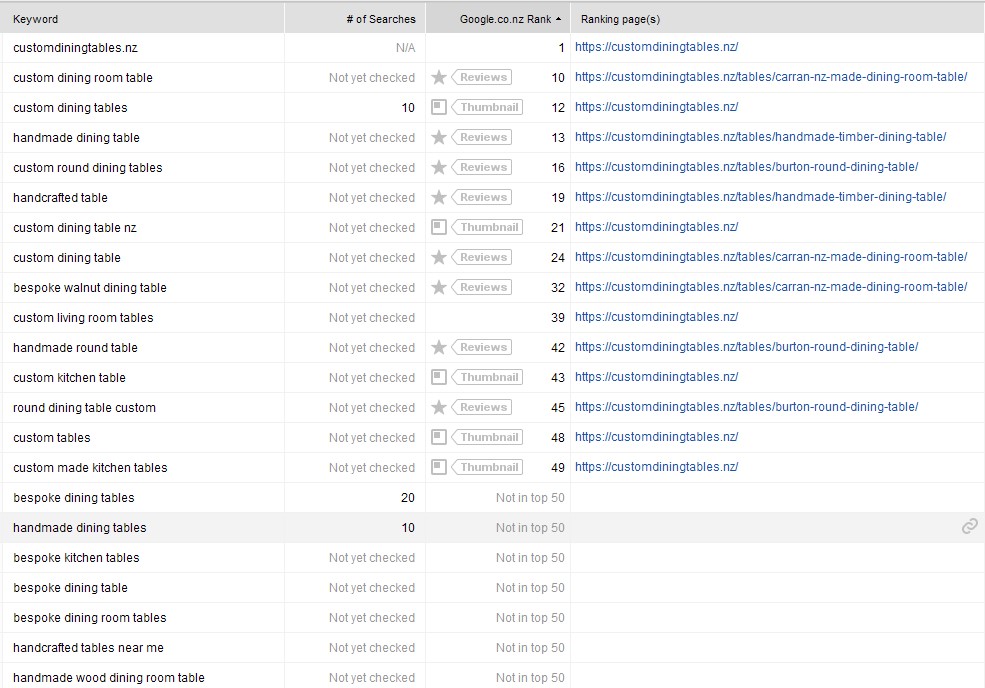
By April 2024, it had the following rankings.
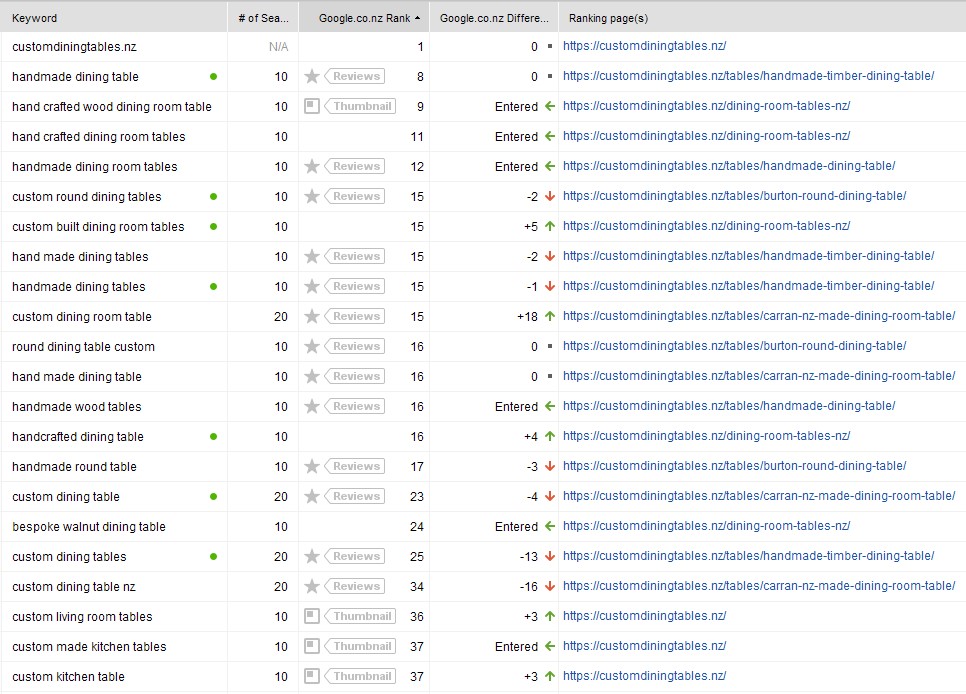
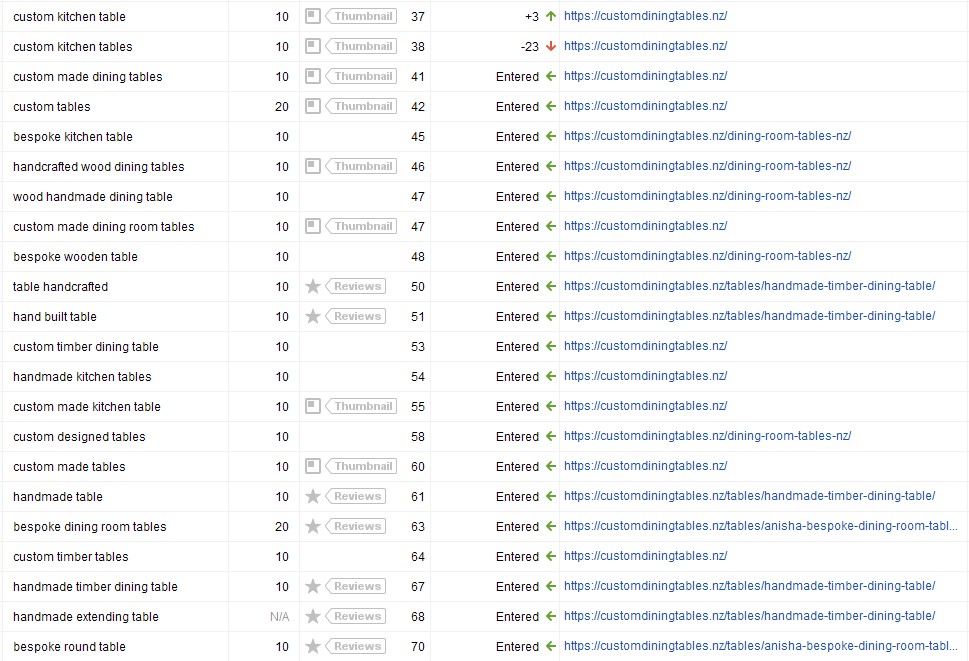
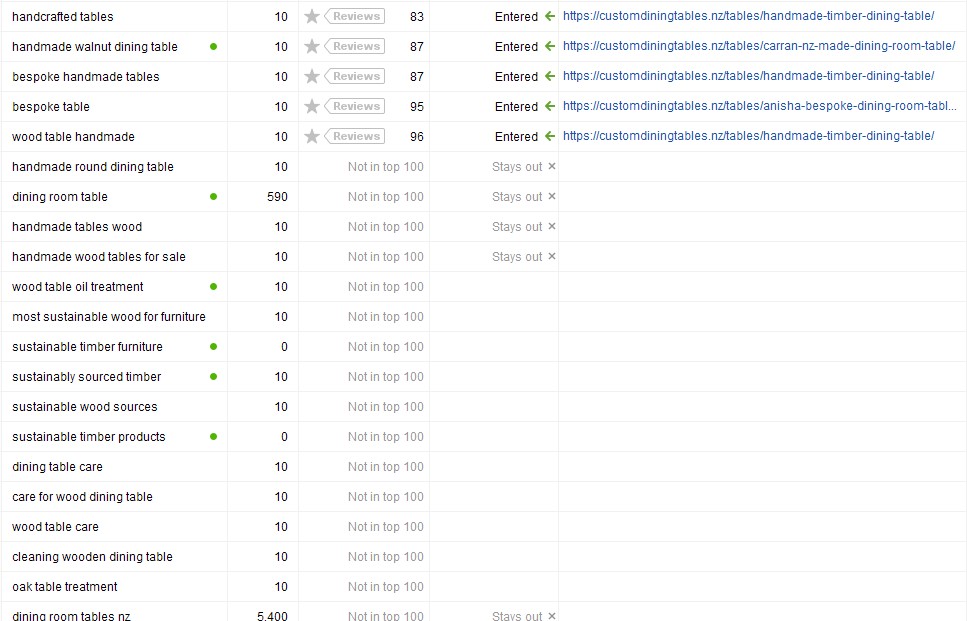
In May 2024 it had improved some more…
- notably, only for low-search-volume keyword phrases.
But from that point onward it just sat and marinated. Online and not moving…
So much so that a year later, in May 2025 the owner decided he was done with having it sitting there and contributing nothing…
Client Request
— On Tue, 27 May 2025 02:47:30 +0700 —
Hi Ben,
Thanks for your help with the website. I’m gearing up to start driving lots of traffic there (hopefully).
As discussed can you please take down the custom dining tables website. I remember you had an idea for how the SEO can still work for us?
Should I unsubscribe from fastcomet?
Thanks,
Lloyd
Consultant’s Response
Before responding to the client’s request to bin the site, I ran a ranking report…
Ben Kemp – The SEO Guy: Tue, 27 May 2025 10:59:03 AM +0700Sent
Hi Lloyd
I advise patience…
If you were absolutely determined to get it offline, we should at least redirect all the pages to the respective pages on the main site.
– It is costing you virtually nothing to have it online because it shares the hosting account with the main site
– all you pay extra is the domain registration for it…
The point is that a new website often takes a long time to break the surface… 6 months to a year isn’t uncommon.
I hadn’t checked the rankings for ages, but have just done so and you may be astonished by the results…
– there are now 40+ keyword phrases with Top 10 rankings…
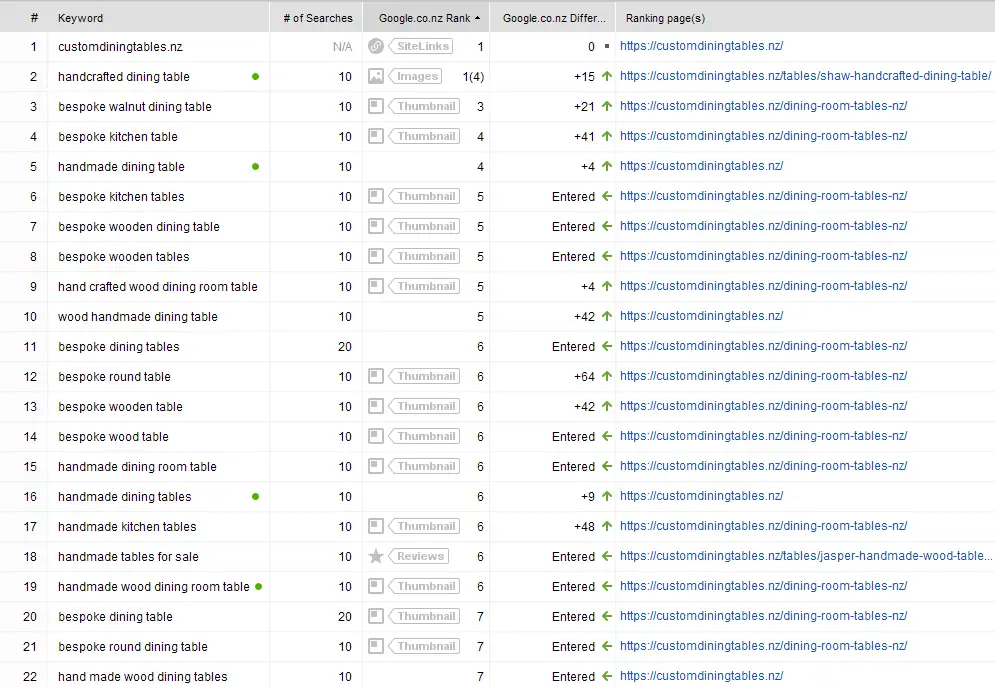
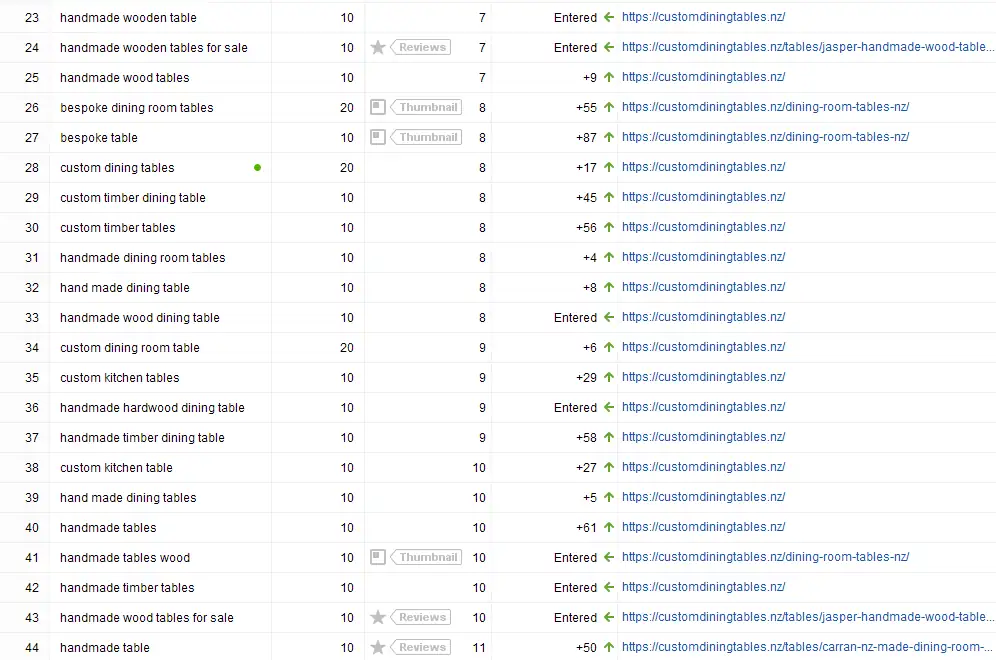
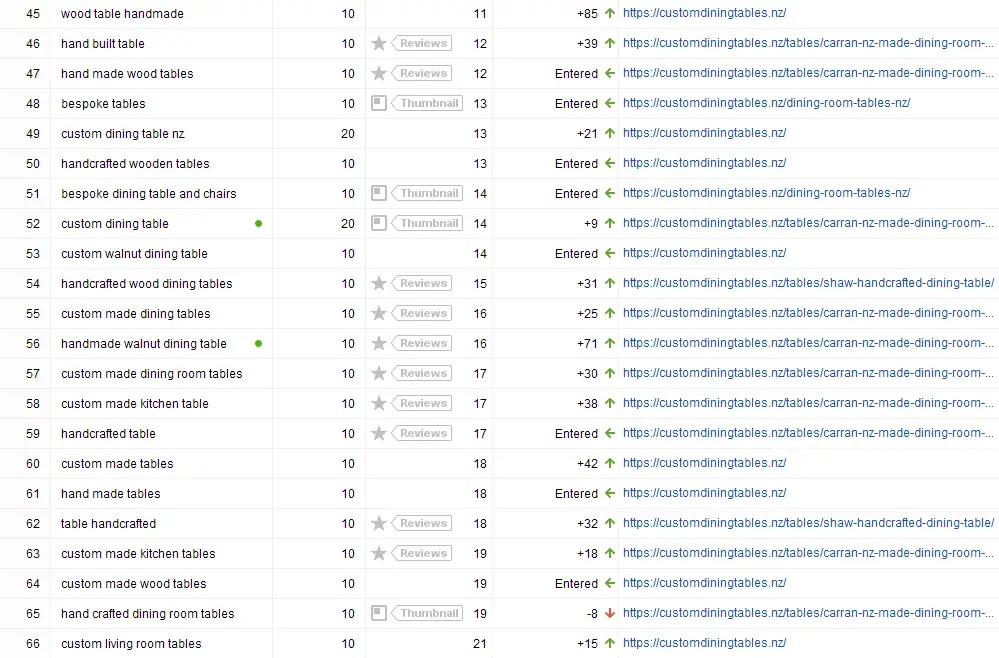
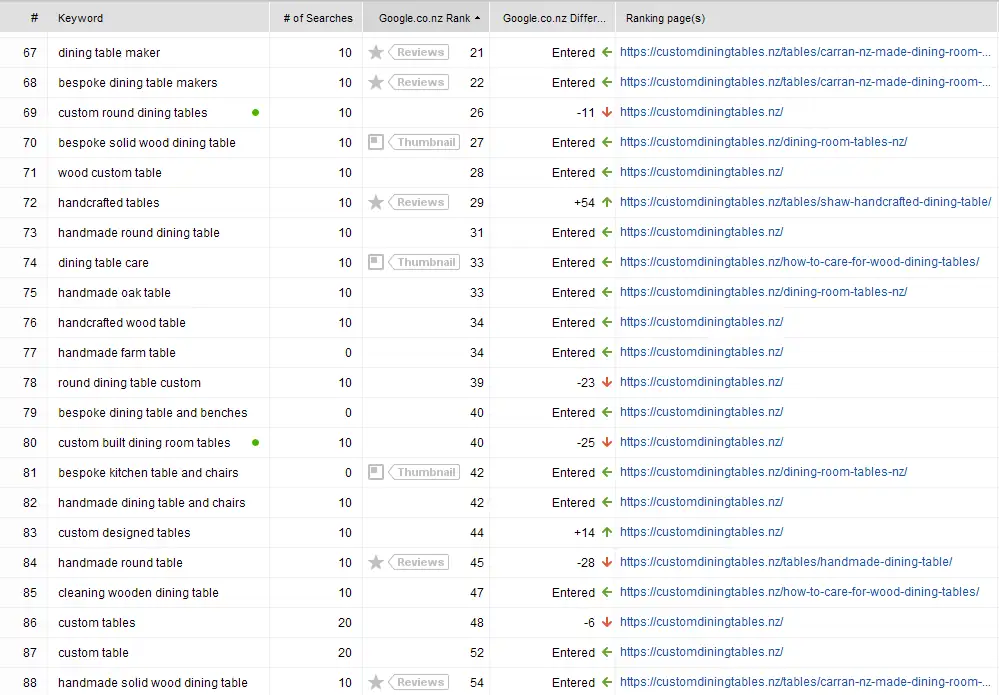
Rather than toss the investment away, it would make far more sense to apply some wax and polish…
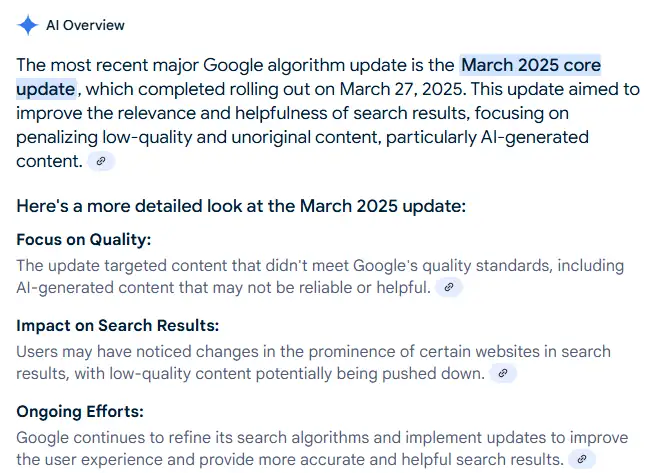
My guess is that the March 2025 Google algorithm update surfaced the site, as it’s got genuine content, with no AI used, etc.
Client Response
Hi Ben,
WOW! You are right. It is performing incredibly well!
The reason I think it isn’t converting is because I’m asking too much from visitors. Eg. a commitment to buy before developing relationship with maker.
I’m thinking about removing the cart section in product pages of customdining.nz – then having a “find out more at the main website” button. This will redirect them to the corresponding product page on the main site which has the contact form embedded.
That way I can redirect all customdiningtables traffic to the main site where they can develop the “trust”
What do you think?
Thanks,
Lloyd
Is this the Google Sandbox Effect?
This is one of the more striking examples of creating and launching a nice website with decent content, building a modest number of citation links, and waiting a year for Google to give it some love. Causation or correlation aside, it is what it is… and you shouldn’t be surprised if it happens to your new website launch.
Getting a new domain live and a “coming soon” page online asap still makes sense to me…
